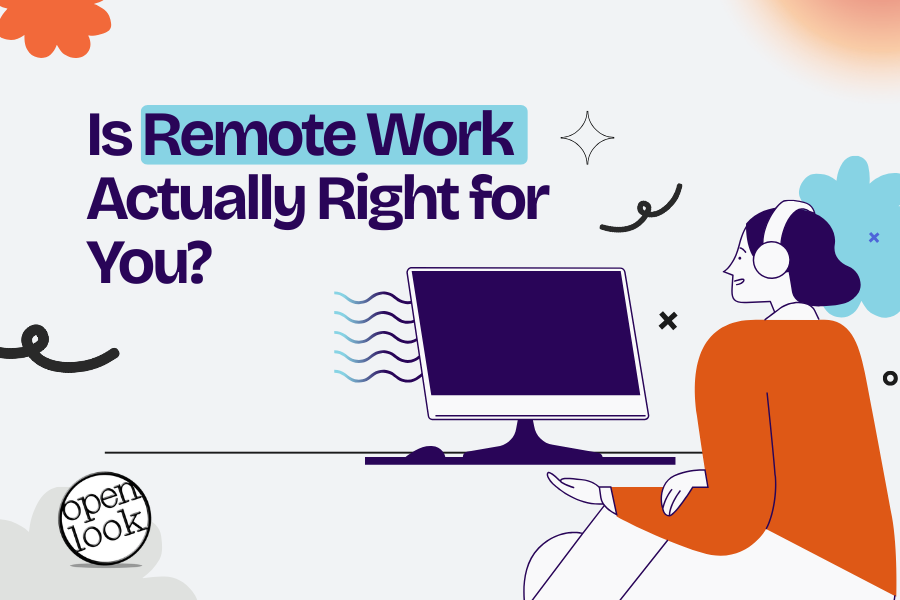
Let’s skip the part where we tell you remote work is amazing and you should definitely do it.
You’ve heard that pitch. You probably already half-believe it. What you actually need, before you quit your day job or fire off 50 applications, is a reality check.
Because here’s the truth that most WFH content won’t say out loud: remote work is genuinely life-changing for some people, and genuinely miserable for others. The difference isn’t luck. It’s fit.
So before you apply, ask yourself these 7 honest questions.
1. Am I self-motivated, or do I need external structure to perform?
There’s no right or wrong answer here, it’s just a fact about how you work. Some people thrive when nobody is watching. Others do their best work when they have a physical office, a manager nearby, and a visible team around them.
If you genuinely struggle to start tasks without someone assigning them, or you find yourself losing hours to distraction when there’s no external accountability, remote work will feel like a daily battle. That doesn’t mean you can’t build better habits, but it does mean you should be honest about where you’re starting from.
2. Can I communicate clearly in writing?
In an office, you can lean over to a colleague and ask a quick question. In a virtual role, most of your communication happens over email, chat, or shared documents.
If you struggle to communicate clearly, concisely, and professionally in writing, remote work will create friction, both for you and for the people you work with. The good news: this is a skill that can absolutely be learned. The question is whether you’re willing to put in the effort.
3. Does my home environment support focused work?
A lot of people romanticize working from home without thinking about the reality of their actual home. Young kids who need constant attention, noisy living situations, unreliable internet, no private space to take calls, these aren’t deal-breakers, but they are real logistical challenges.
Before you apply, think honestly about your environment. Can you carve out a real workspace? Do you have a reliable enough setup to show up consistently? If not, what would need to change?
4. Am I comfortable with less social interaction?
For extroverts, this one is a bigger deal than they usually admit upfront. If you get genuine energy from being around people, the office chats, the lunch runs, the impromptu conversations, working from home can feel isolating in a way that slowly affects your mood and motivation.
This doesn’t mean extroverts can’t do remote work. But it means you’ll need to be intentional about building social connections outside of work hours to compensate.
5. Can I separate ‘work time’ from ‘home time’ mentally?
This is one of the hardest WFH challenges that nobody talks about until they’re burned out.
When your home is your office, the boundaries blur fast. You find yourself checking emails after dinner. You feel guilty relaxing when your laptop is right there. You answer messages at midnight because technically you could.
Sustainable remote work requires the ability to mentally clock out — to close the laptop and not feel like you should be doing something. If this is hard for you, it’s a skill you’ll need to deliberately build.
Burnout in remote workers often looks different from office burnout. It’s quieter, slower-building, and just as damaging. Protecting your off-hours isn’t laziness. It’s professionalism. |
6. Am I okay with digital tools and willing to learn new ones?
Virtual roles run on tools, project management platforms, communication apps, video call software, cloud storage systems. If technology frustrates you or you resist learning new software, remote work will be a recurring source of friction.
You don’t need to be a tech wizard. But you do need to be genuinely open to figuring things out, Googling solutions, and adapting when tools change or update.
7. Am I applying because I genuinely want to work remotely or because I’m running away from something?
This one deserves some real reflection.
There’s a difference between choosing remote work because it aligns with your life goals more time with family, reduced commute stress, a better quality of life and escaping a toxic job or a difficult situation by chasing a WFH role you’re not actually ready for.
Remote work won’t fix a bad mindset or a burned-out career. It will, however, amplify whatever you bring to it. If you bring discipline, intention, and genuine drive it will give you back more than you imagined. If you bring avoidance and burnout, it will make those problems louder, not quieter.
So…is remote work right for you?
If you answered these questions honestly and most of them pointed toward yes, you’re ready. Go for it. Apply. Prepare properly. And do the work.
If a few of them gave you pause that’s actually really valuable information. It tells you what to work on before you make the jump. Maybe that’s building better communication habits. Maybe it’s improving your home setup. Maybe it’s working through burnout before you start something new.
Either way, knowing the real answer is far more useful than just hoping for the best.
If you’re ready, we’d love to meet you. Visit open-look.com |